Creating space, improving comfort and reducing energy use in a landmark central London retrofit.
Architecture & Design
Office
Overview
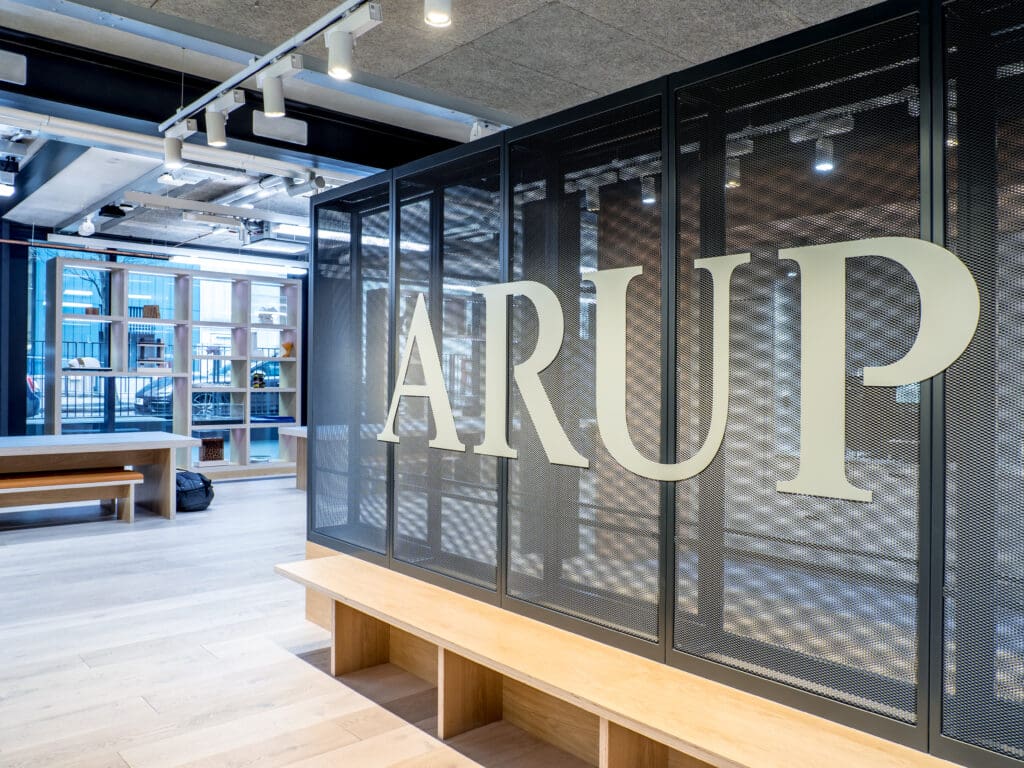
Arup wanted a workspace that felt open, calm and consistent with their energy-efficient approach to building design.
The retrofit at 80 Charlotte Street required a heating and cooling solution that would protect ceiling height, simplify coordination, and reduce both operational energy and whole-life carbon.
Traditional fan coil units would have compromised the exposed soffit aesthetic and also added significant service complexity. Artus Air provided a low-profile, low-energy alternative that preserved the architectural intent while improving comfort and reducing operational carbon emissions.
Key Stats
Client
Arup
Address
80 Charlotte Street, London
Build Type
Office Retrofit
Collaborators / Partners
Developer
Derwent London
Architects
Make
Perkins and Will
MEP contractor
T Clarke
Impact
18,226
KG
Whole life carbon saved by using Artus units compared to traditional FCU’s
37
Flights
Whole life carbon saving equivalent in flights from London to NYC
10,008
KG
Operational carbon emissions saved by using Artus units compared to traditional FCU’s
49,792
Miles
whole life carbon equivalent in miles driven in a car
About 80 Charlotte Street
80 Charlotte Street is one of Derwent London’s flagship workspace buildings.
The CAT B retrofit over multiple floors incorporated Artus AR60’s into the heating and cooling solution to create a flexible, comfortable and beautifully coordinated aesthetic for Arup’s London teams.
Standards achieved: BREEAM Excellent | LEED Gold | EPC B
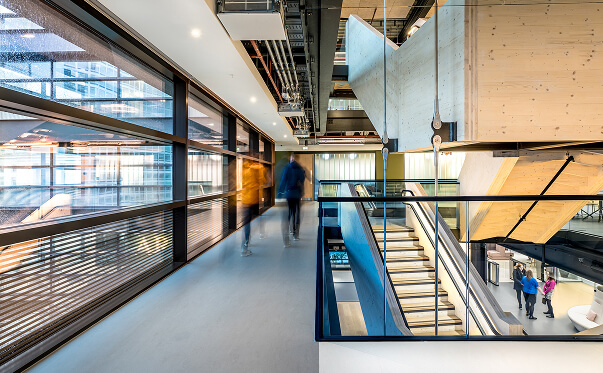
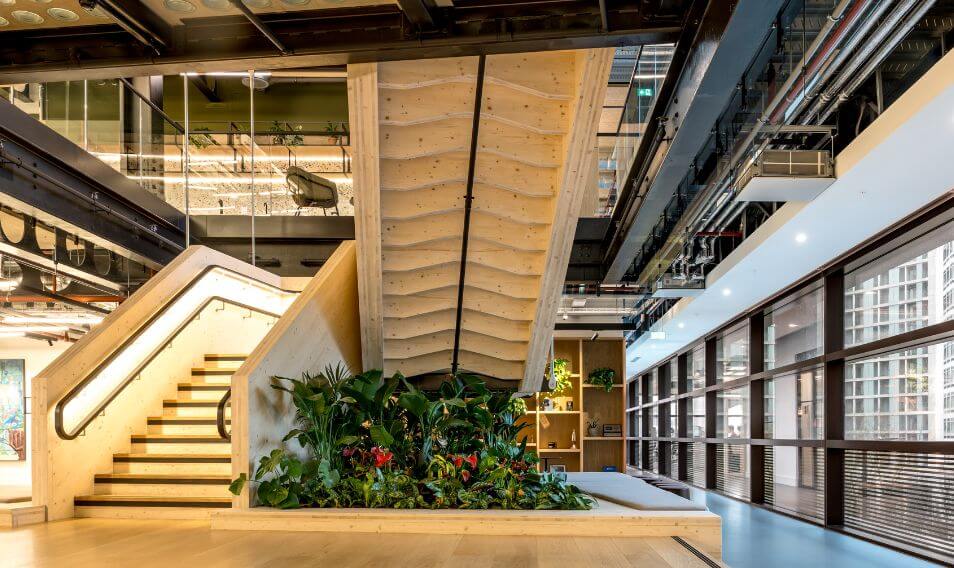
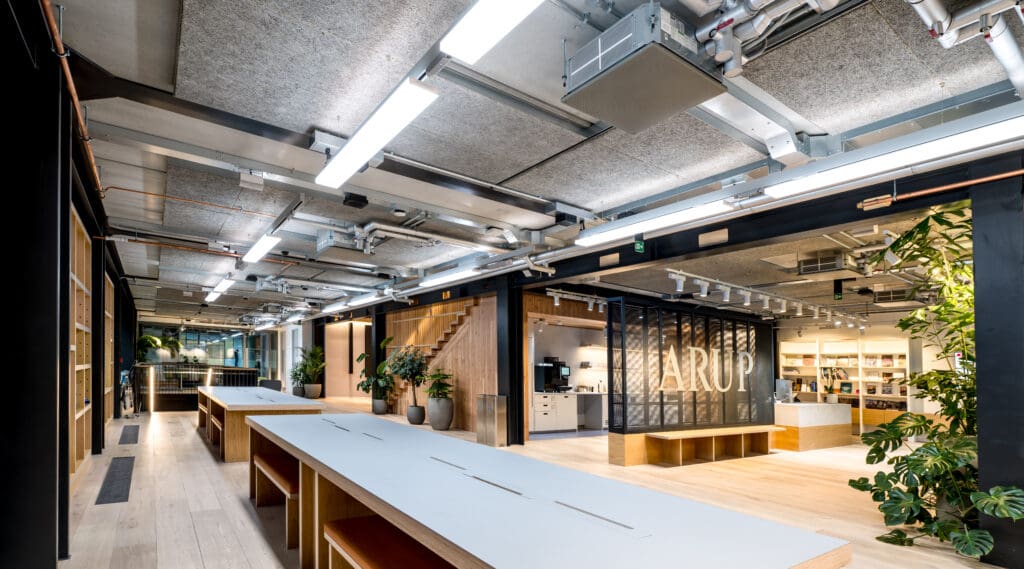
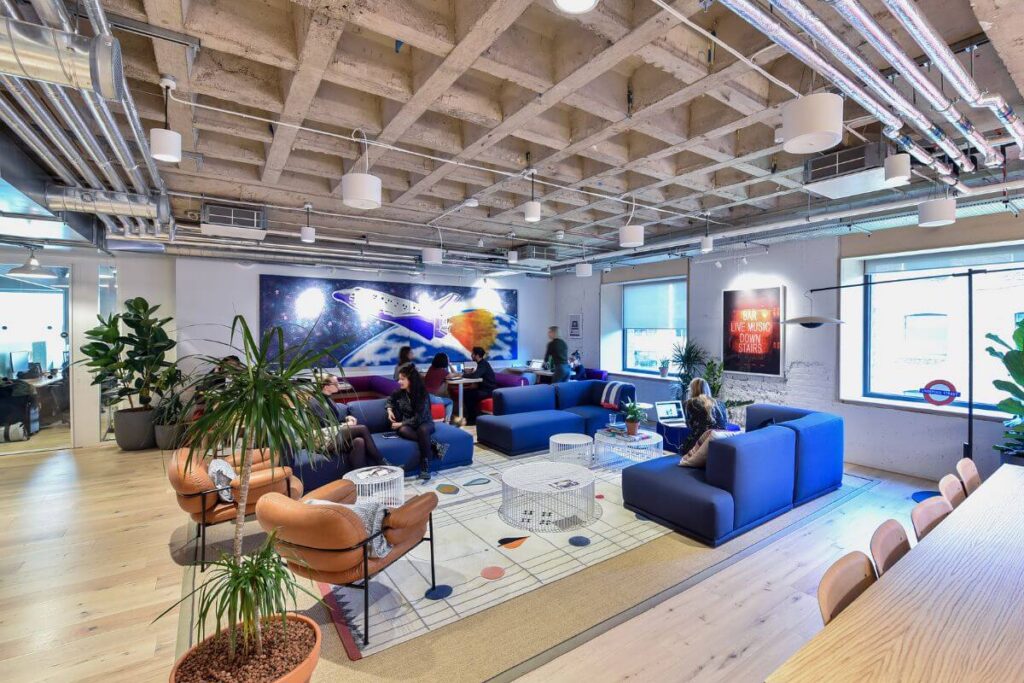
The retrofit incorporated exposed soffits, tight ceiling zones and a clear architectural vision. Preserving ceiling height was essential in both meeting rooms and open-plan areas.
The Arup HQ needed an indoor air solution that aligned with Arup’s energy and design standards.
By using Artus units, Arup:
Saved space in the ceiling void by using Artus units at roughly half the size of traditional fan coil units
Simplified ceiling coordination and integration complexity
Removed ductwork that conflicted with the architectural intent
Made energy and comfort targets easier to achieve
The project demonstrates collaboration among manufacturers, engineers, architects, and contractors to protect design quality, reduce carbon emissions, and improve comfort in complex retrofit environments.
Client Testimonial
“Throughout the design process, the low energy credentials of Artus, combined with its design simplicity and adaptability, made it an obvious choice to incorporate into the 80 Charlotte Street fit-out.”
Iain Moore | Fit-out Services Design Lead
Solution
Arup selected the Artus AR60 system for its combination of energy performance, spatial efficiency and design integration.
Artus Air enabled:
A slim 200 mm profile to protect the ceiling height
No secondary ductwork, reducing complexity
Clean alignment with exposed aesthetic
Faster installation with packaged compact units
Low operational energy and carbon emissions
Quiet, draught-free comfort from units that can deliver full coverage and 360-degree distribution at super low fan speeds
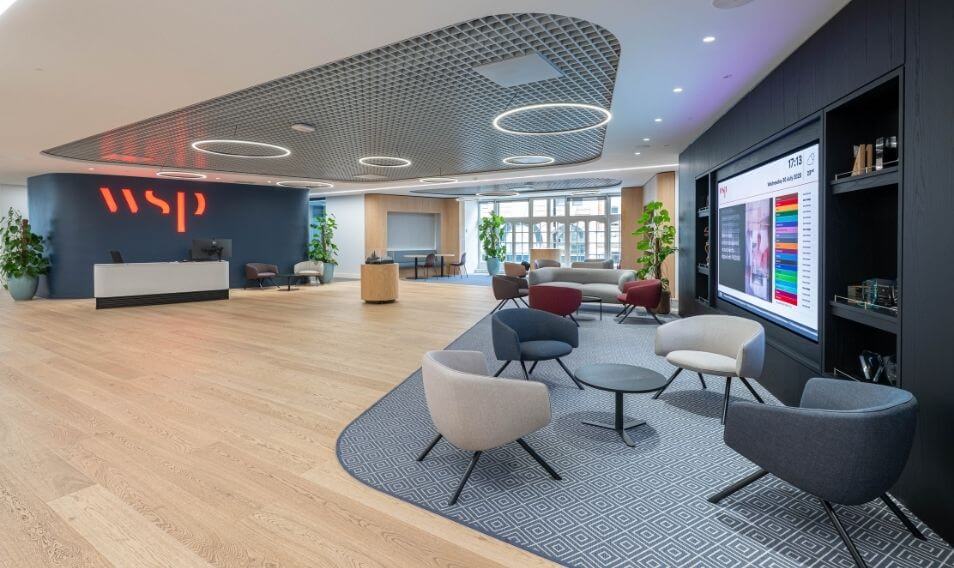
Artus units were installed across three floors, including meeting rooms, collaboration areas and the first-floor reception.
Results
The retrofit delivered a coordinated, energy-efficient, and architecturally clean environment, improved comfort for Arup teams, and reduced long-term carbon emissions.
Artus helped the project achieve:
BREEAM Excellent | LEED Gold | EPC B
18,226 kg whole-life carbon savings
Improved comfort stability across work zones
Maximised ceiling height
Simplified maintenance from drop down access hatch
The project demonstrates collaboration among manufacturers, engineers, architects, and contractors to protect design quality, reduce carbon emissions, and improve comfort in complex retrofit environments.
Further Insight
Florence Lam, ARUP Fellow and former Global Lighting Director, ARUP, speaks with Artus Air’s CEO, Rebecca Stewart, to explain how leading lighting design is driven by a human-centric approach.